Importance of Sports in School: Why Physical Activities Matter for Students
Jun 15, 2026
Six hours in a chair. That is what school asks of a body built to move. Fourth period. Posture collapsed. Foot tapping. Eyes glazed. The importance of sports in school is not about character posters. It is about what happens to focus when the only movement until 2 PM is a walk to the water cooler.
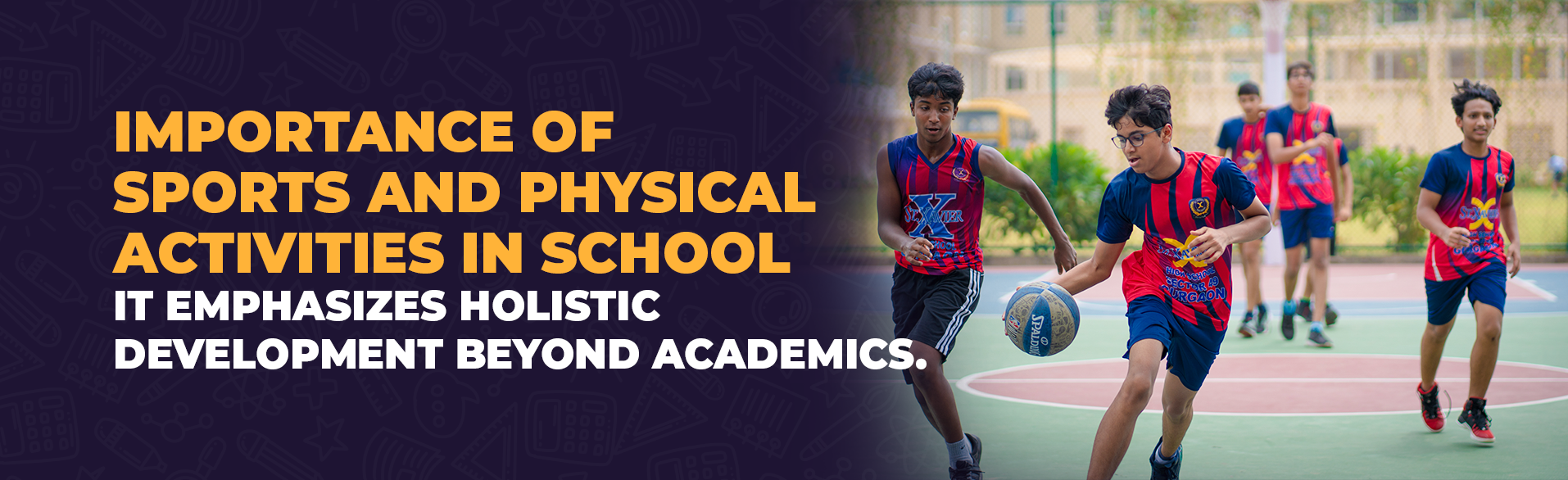
Most schools treat physical activity as a break from learning. Something filling space between real subjects. That is backwards. A student returning from thirty minutes of running is neurologically different from one who sat through a double period. Blood flows up. Cortisol down. Prefrontal cortex reset. The break was not a pause. It was preparation.
What Physical Activities for Students Actually Do to the Brain During School Hours
The research is not ambiguous. Physical activities for students that raise the heart rate for twenty to thirty minutes improve concentration measurably for the two hours that follow. Not a vague sense of feeling refreshed. Measurable. Teachers scheduling PE before heavy academic blocks report fewer disruptions, faster task completion, and better retention.
Exercise increases blood flow to the hippocampus, the region responsible for memory formation. A student who played basketball for thirty minutes before science is physically more prepared to absorb new information than one who moved directly from one seated lesson to another.
- Improved attention: Fidgeting decreases noticeably after physical activity. Students often sustain focus for much longer during the class immediately following sports or structured exercise.
- Better emotional regulation: Students who begin the day feeling anxious, frustrated, or withdrawn often return from the playground calmer and more emotionally balanced.
What a Student Learns on a Field That No Classroom Teaches
School brochures often mention teamwork, but organised sports teach much more than cooperation. They create experiences that classrooms simply cannot replicate.
- Learning how to make a mistake in front of teammates and immediately continue playing instead of dwelling on failure.
- Accepting guidance from a peer who earned leadership through performance rather than age or authority.
- Realising that physical limits change through consistent effort. A student unable to complete two laps in September may comfortably finish four by December, creating visible proof of personal growth.
Group assignments rarely create these lessons. Competitive games, relay races, and team sports provide immediate feedback where resilience, adaptability, and confidence develop naturally.
The Benefits of School Sports That Show Up in Data and the Ones That Do Not
The academic benefits of school sports are real but often misunderstood. Research consistently shows that students who participate in regular physical activity demonstrate stronger concentration, improved memory, and better performance in subjects requiring sustained attention.
Sports alone, however, do not improve grades. They strengthen the brain's ability to learn, but students must still invest time and effort in studying.
- Stress management: Students accustomed to handling pressure during competitions often remain calmer during examinations and other high-pressure academic situations.
- Resilience: Losing matches, learning from mistakes, and returning to practise build persistence that carries into classroom challenges.
- Improved wellbeing: Removing sports entirely often leads to lower concentration, increased irritability, and poorer sleep, especially among older students facing examination pressure.
What Happens When Schools Cut Sports and Nobody Notices Until It Is Too Late
Many schools have gradually reduced physical education periods to create more classroom time. The expectation was simple: more teaching hours would produce better academic results.
In practice, many schools experienced the opposite. Afternoon classrooms became more restless. Behavioural issues increased. Student attention declined. Additional classroom time did not automatically become additional learning because the brain needed movement before it could effectively concentrate again.
Countries that integrate regular movement throughout the school day consistently demonstrate that physical activity supports academic performance rather than competing with it.
The Body Remembers What the Timetable Forgets
A student who spends twelve years in school without developing a habit of regular movement often carries that lifestyle into adulthood. Habits established during childhood become lasting patterns.
The importance of sports in school extends far beyond producing athletes. Most students will never compete professionally. Schools that treat physical activity as an essential part of education help children develop lifelong habits supporting physical health, emotional wellbeing, discipline, and sustained academic performance.